
वह भाषा चुनें जिसमें आप सहज हों।
We’ve all said it. We’ve all felt it. “I’m going through a bad time.” It’s a phrase heavy with the weight of stress, sadness, and struggle. It feels real, tangible, and overwhelming. But what if I told you that for the most part, “bad times” are a myth? What if they are not a concrete reality, but a state of mind we unknowingly create, often engineered by the very world we live in?
It’s a bold claim, but if you stay with me, you might just find the key to unlocking a life with significantly less stress and more freedom. The truth is, outside of one specific area, what we label as “bad” is almost always born from a single, powerful, and destructive habit: comparison.
The Architects of Unhappiness: How We're Taught to Compare
This comparison trap isn’t just one we fall into on our own. It’s a sophisticated system that is actively built and maintained around us. Two of its chief architects are the cinema and advertising industries.
The Original Trap: You Can't Miss What Doesn't Exist

Let’s travel back in time, before the 20th century. Were people sitting around their homes, miserable and depressed about not travelling in an aeroplane? Of course not. The concept didn’t exist, so the lack of it couldn’t create unhappiness.
Now, fast forward to today. You might see a friend’s vacation pictures and feel a pang of sadness or envy. You might feel you’re in a “bad time” because you’re stuck at home while others are jet-setting across the globe.
But what has really changed?
Sitting in an aeroplane is just an experience. It won’t fundamentally change the core of who you are.
While you are not flying, you are experiencing something else. You are experiencing your home, your city, your current moment.
One experience isn’t inherently “better” than the other; it’s just different. The “badness” only arises when we compare our current reality to an imagined or observed alternative. We create our own suffering by believing our current experience is inferior.
The Silver Screen's Skewed Reality
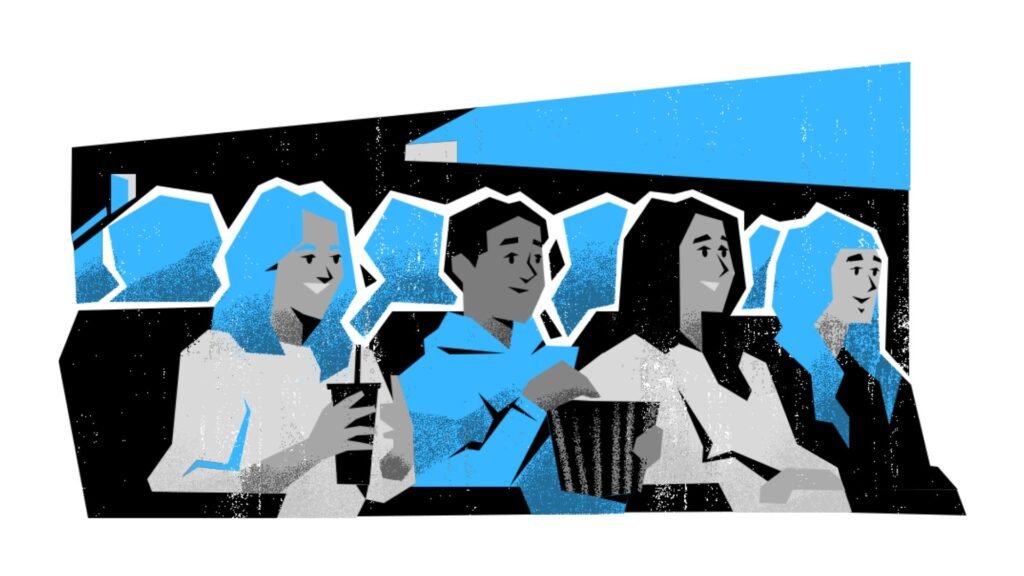
This effect is magnified by cinema. No one pays to watch a movie about a normal, uneventful Tuesday. We pay for the “extraordinary.” The problem is, while we can easily dismiss a hero beating up a hundred people as fantasy, we are not so good at dismissing the emotional fantasies.
The cinema subtly rewrites our expectations for real life:
It glorifies one-sided love. A character pining for someone for years is portrayed as the ultimate romantic tragedy. In reality, it’s often an unhealthy obsession that prevents personal growth.
It beautifies the inability to move on. A character who never recovers from a breakup is seen as a symbol of profound loyalty. In life, refusing to heal and start a new life after detachment is a recipe for long-term suffering.
It creates rigid rules for emotions. Films present loyalty, love, and betrayal in stark black and white. Real life is a messy masterpiece of grey areas. When our lives don’t fit these perfect cinematic scripts, we feel flawed and guilty.
Life becomes infinitely easier and more peaceful when we realize we don’t have to live by Bollywood’s emotional rulebook.
The Advertising Engine of Inadequacy
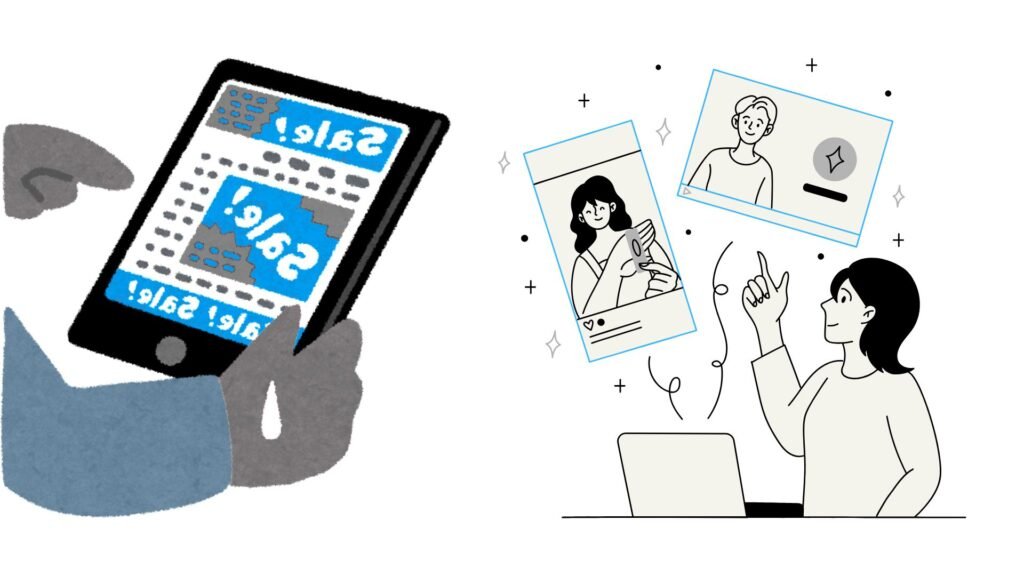
If cinema skews our emotional expectations, the advertising industry launches an all-out assault on our contentment. Its entire business model is built on creating comparison chaos.
Think about it: an ad’s purpose is to make you feel that your life is incomplete without its product. It works in a simple, brutal cycle:
It shows you a vision of perfection: the family with the perfect white smiles, the woman with flawless skin, the man with the luxury watch driving to his mansion.
It creates an unbreakable link between that perfection and their product.
The unspoken message is clear: You are not this. Your life is not this. You are lacking.
This relentless, daily exposure to manufactured inadequacy creates a constant, low-grade feeling of being behind. It is the very engine that powers the “bad times” state of mind.
The One True Hardship: When The Body Suffers

Now, let’s be clear. There is one area where hardship is absolute: physical health.
If you have a throbbing migraine, the pain is real and all-consuming. It doesn’t matter if you’re lying in a king-sized bed in a palace or on a simple mat in a hut. The pain is the same. This is the exception that proves the rule. Because it is so absolute, it highlights how relative every other form of “bad times” truly is.
Everything Else is Relative: The Spectrum of Human Experience
If we set aside physical ailment, every other form of struggle becomes negotiable. Think about all the things we stress over: finance, relationships, career. The entire planet is a vast spectrum of experiences. There is no universal “good” or “bad” situation, only different ones.
A person living in a small village with strong community bonds might be infinitely happier than a lonely CEO in a skyscraper. Happiness is not a prize for a “good situation.” It depends entirely on the person experiencing it.
It All Depends on Your Tendency
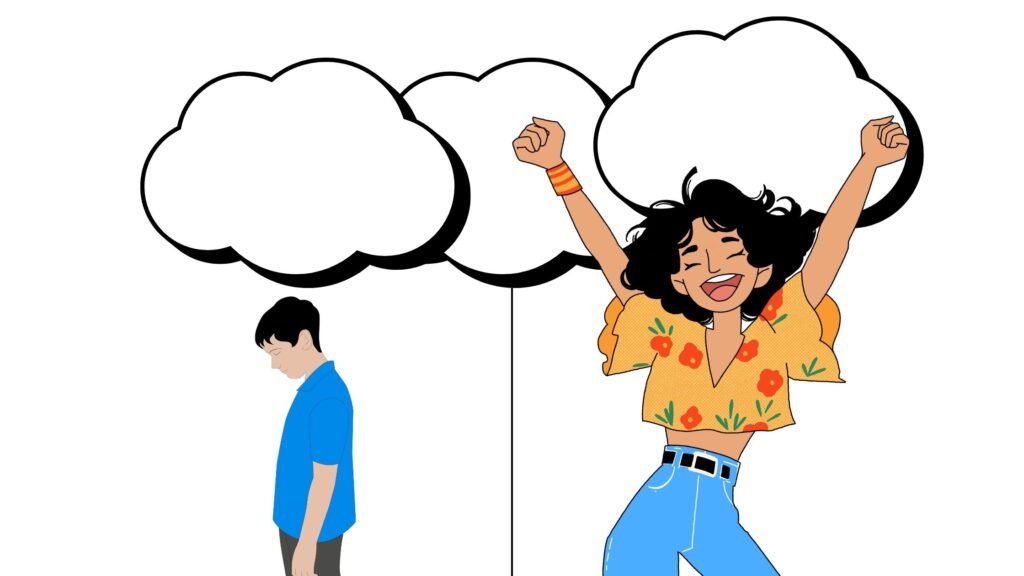
The crucial factor that determines whether you flourish or suffer is your tendency—your default mindset.
Do you have a tendency to see what’s missing? You will find lack everywhere.
Do you have a tendency to appreciate what’s present? You will find abundance anywhere.
This is about re-wiring your perspective to see past the manufactured desires and cinematic scripts.
The Ultimate Realization: Being Alive is the Only Thing That Matters
If you can truly internalize this one idea, you will be free.
The simple fact that you are alive and conscious is the ultimate victory.
Everything else—the money, the relationships, the career, the travel—is a bonus feature layered on top of the foundational miracle of existence. When you grasp this, the power of external events and comparisons to hurt you diminishes dramatically.
So, the next time you feel that familiar dread of “bad times” creeping in, pause. Ask yourself:
Am I physically unwell?
If not, what script am I following? What advertisement am I believing? What comparison am I making?
In that moment, you can choose to let go. You can choose to be present in your own, unique, and valid experience. You can choose freedom from the myth.